
A successful hunting trip depends on more than knowing the terrain or having experience in the field. The equipment you carry can make a real difference, especially when you’re spending long hours outdoors.
From choosing reliable hunting gear to preparing for unexpected weather, every item should have a practical purpose. A little planning helps you stay comfortable, organized, and ready for the challenges of the outdoors.
A Reliable Hunting Knife
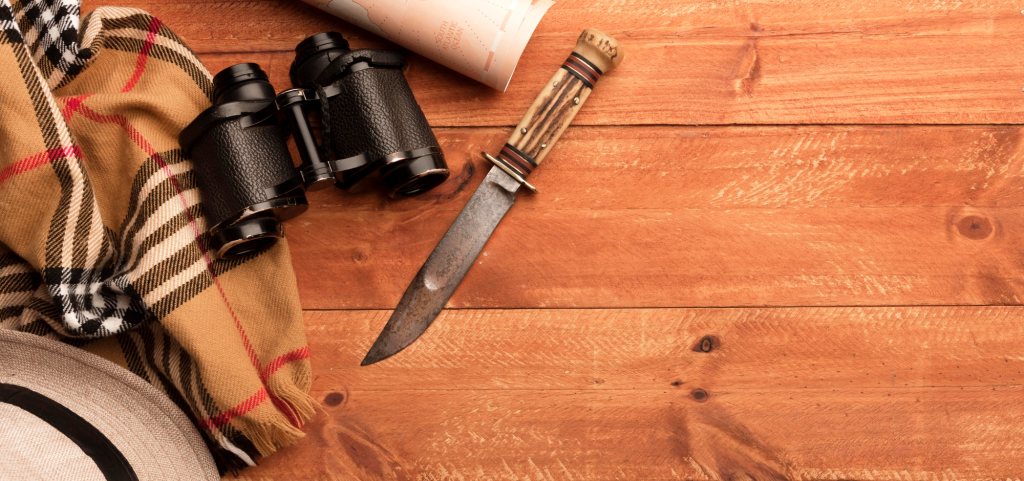
A quality knife is one of the most useful tools in a hunter’s equipment collection. It can serve several practical purposes around camp, including cutting cordage, preparing food, and handling general outdoor tasks.
When comparing hunting knives, consider your intended activities, blade material, handle comfort, construction quality, and maintenance requirements. A secure grip is particularly important when working in outdoor conditions where moisture, dirt, and cold can affect handling.
A Durable Hunting Backpack
A good backpack keeps essential equipment organized and easy to access. Look for one with comfortable shoulder straps, adjustable support, durable materials, and enough compartments to separate different items.
Water-resistant bags are useful when weather conditions can be unpredictable. Avoid choosing a bag that’s unnecessarily large. Carrying excess weight over uneven terrain can become tiring surprisingly quickly.
Binoculars for Better Field Observation
Binoculars are valuable for observing distant surroundings without constantly moving closer. They can help hunters assess terrain, identify wildlife from a distance, and remain aware of their surroundings.
Look for comfortable eye relief, clear optics, suitable magnification, and a design that can withstand outdoor conditions. Waterproof, fog-resistant models and a neck strap are useful additions that help keep your binoculars secure during travel.
Weather-Appropriate Hunting Clothing
Spending hours outdoors means dealing with changing temperatures, wind, rain, and sometimes difficult terrain. The right clothing helps you stay comfortable throughout the trip.
Layering is a sensible approach. Moisture-resistant base layers help manage sweat, insulating layers provide warmth, and waterproof outerwear offers protection against rain. Don’t overlook gloves and extra socks.
Proper Hunting Boots
Your footwear deserves careful consideration. Walking across muddy trails, rocky ground, or uneven woodland paths can lead to blisters and foot fatigue during longer trips in unsuitable shoes.
Choose hunting boots with good traction, ankle support, and weather-appropriate protection. Waterproof options can be particularly useful in wet environments.
Navigation Tools and a Physical Map
Even familiar hunting areas can become confusing when visibility changes or you take an unfamiliar route.
Carry a compass and physical map as backups to your smartphone or GPS device. Download offline maps before leaving and make sure electronic equipment is fully charged.
A First Aid and Emergency Kit
Small injuries can become serious inconveniences when you’re far from medical assistance. A first aid kit should include bandages, antiseptic wipes, gauze, medical tape, blister treatment, and personal medication.
Consider adding an emergency blanket, whistle, and suitable fire-starting equipment. Check everything before departure and replace expired supplies.
A Flashlight or Headlamp
Unexpected delays happen. A trip that was supposed to finish before sunset can easily run longer than planned.
A reliable water-resistant headlamp keeps your hands free, while a compact flashlight provides additional lighting when needed. Carry spare batteries or a charged backup power source.