
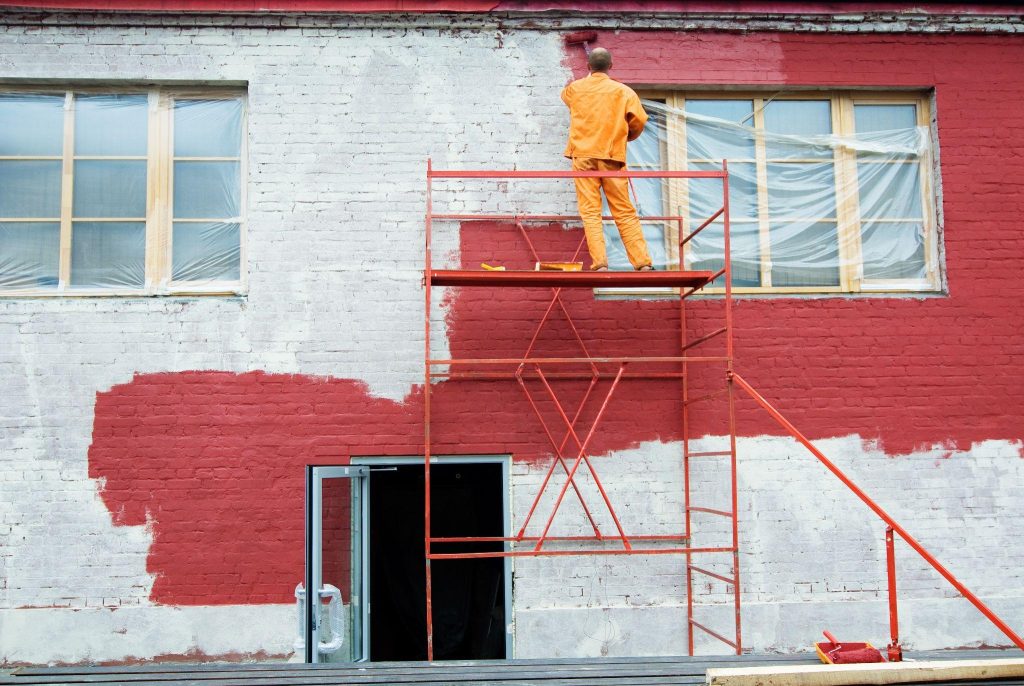
Your home exterior is of utmost importance. It decides how visitors will perceive your house, particularly if you have plans to sell it in the future. An old and neglected exterior shows poor maintenance on your part, which can deter buyers from approaching your property. This is where renovation becomes important.
Renovation can improve the appearance and functionality of your property. The process involves many areas like windows, roof, siding, and doors. Better understanding helps in better preparation and saves you from unnecessary surprises.
An Initial Inspection of Your Home’s Exterior
Before the renovation starts, you need to inspect your house from all areas to see which ones need attention. This may include checking for a damaged roof, loose siding, moisture problems, or water damage. Moreover, the condition of gutters and downspouts is also inspected.
This inspection is necessary because it shows which improvements are necessary and which ones need immediate attention. You can do a brief inspection, and for an in-depth one, select professional services.
Planning the Roofing Work
The roof is one of the most important parts of your home’s exterior. However, if the roof has any damage, such as shingles or cracks, it may need repair or replacement during renovation.
You can work with roofing contractors to understand the condition of your roof. They will also determine what actions are needed. Depending on the inspection, you might only need to repair some parts. However, if the damage is extensive, professionals may recommend replacing the roof as well.
Choosing New Siding and Exterior Finishes
Beyond appearance, siding also protects your home’s exterior walls. During renovation, you can decide whether to repair the siding or replace damaged sections. This will be decided by professional siding contractors.
You may also have the option of simply updating it. You can choose from vinyl, fiber cement, wood, and engineered wood, depending on what you prefer. Each material has its own costs, textures, and qualities. The right choice depends on your budget, your region’s climate, and your home’s overall aesthetic.
Understanding the Installation Process
After all the project details have been finalized, the installation process begins. Depending on how much renovation is needed, the process can involve removing old materials, repairing damage, and installing new components.
During renovations, damaged siding will be removed, exterior walls will be prepared, and materials to replace the older ones will be installed. The installation timeline will depend on the size of the property and the amount of work required.
Preparing for Noise, Dust, and Temporary Disruptions
One thing you may overlook but will come as a surprise is the presence of noise, dust, and disruption. Exterior renovation can affect your routine, even when professionals are working outside of your home. Repairs, replacements, cutting, moving equipment, and tools can create a lot of noise and dust, which can temporarily disrupt your everyday life.
You may need to move your vehicles away from the work site. Make sure to keep children and pets at a safe distance. It is also necessary to protect plants and other landscaping elements that can get affected due to debris or work equipment.